
The retina is a thin layer of neural tissue at the back of the eye that detects light and converts it into signals, sent to the brain. During development, all the specialized neurons in the retina—including photoreceptors and other cells essential for vision—arise from stem-like cells known as retinal progenitor cells (RPCs).
Source link
Scientists identify the gatekeeper of retinal progenitor cell identity
March 10, 2026
0 Comments
Explore More
Human retinal stem-like cells with potential to repair vision loss discovered

H&E staining of an 18-week human fetal retina, showing the spatial distribution and differentiation potential of human retinal stem cells in the ciliary marginal zone. Credit: Jianzhong Su, State Key
Research reveals hidden visual deficits and neural pathway alterations in mild TBI patients
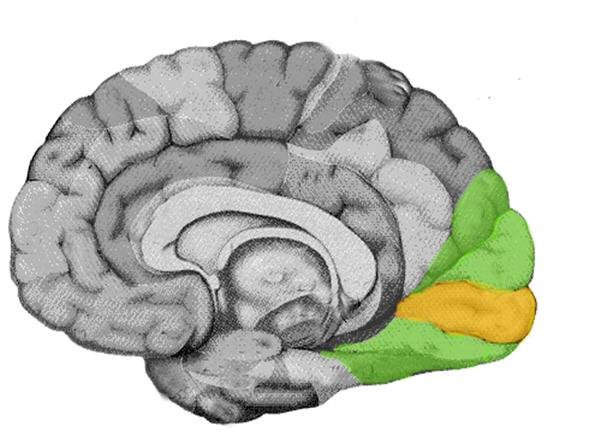
Credit: public domain Vanderbilt University Medical Center-led research reveals subtle changes in the visual pathways of individuals with chronic mild traumatic brain injury (TBI), even when standard eye examinations show
Colder air temperatures may significantly increase fluid pressure inside the eye in people with glaucoma
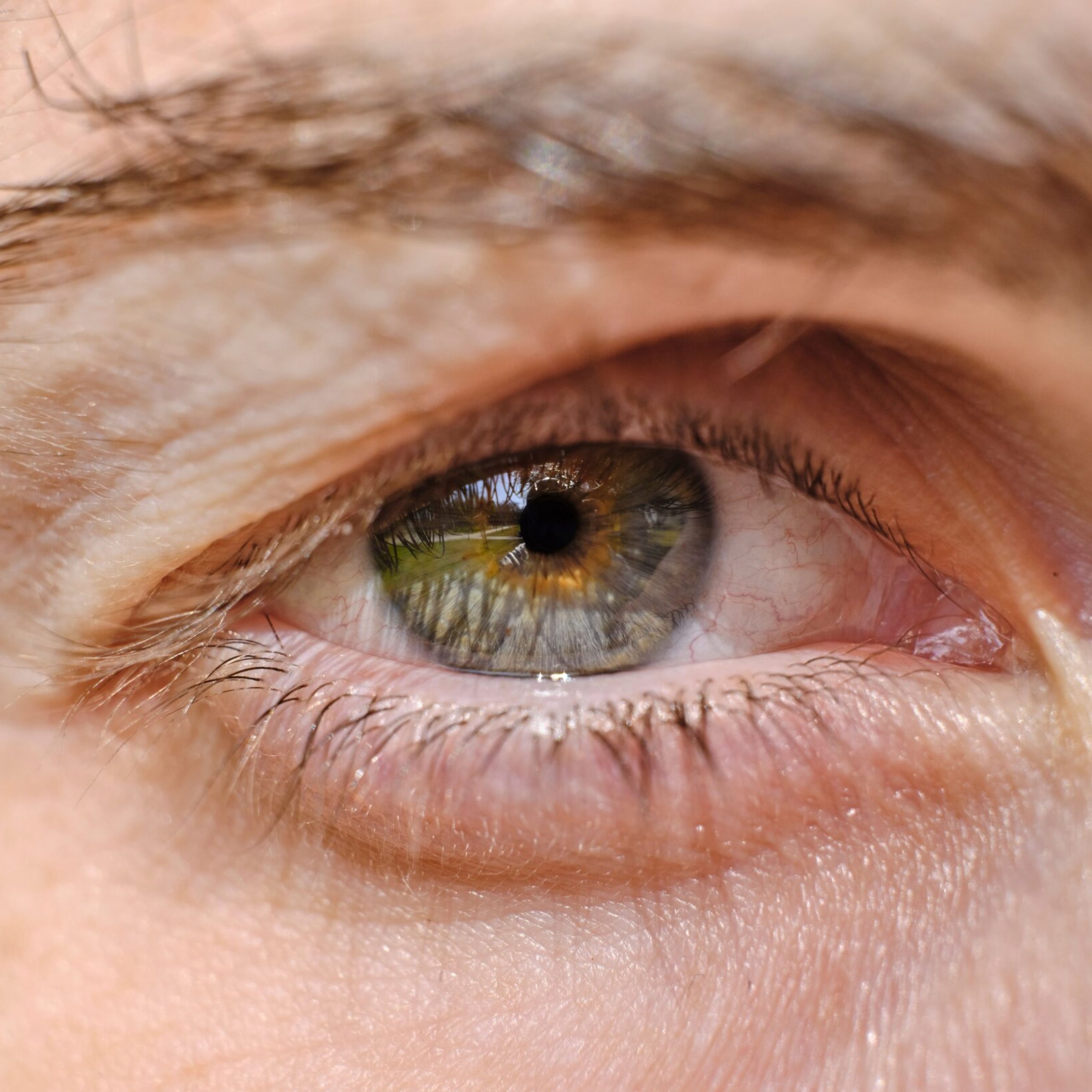
Credit: Engin Akyurt from Pexels Lower air temperatures may be associated with an increase in the fluid pressure inside the eye—a major cause of glaucoma—and should be considered when treating