
Magnetic resonance imaging (MRI) is one of medicine’s most powerful diagnostic tools. But certain tissues deep inside the body—including brain regions and delicate structures of the eye and orbit that are of particular relevance for ophthalmology—are difficult to image clearly. The problem is not the scanner itself, but the hardware that sends and receives radio signals.
Source link
MRI antenna can boost image quality and shorten scan times—without changing existing machines
February 21, 2026
0 Comments
Explore More
High-resolution retinal maps aid disease diagnoses

Multiple retinal maps of single eyes with white indicating where the retina is thickest and coloured areas representing thinner regions of the retina. The research identified 294 genes influencing the
Early-stage trial finds stem cell therapy for retinitis pigmentosa is safe
Credit: Unsplash/CC0 Public Domain A team of UC Davis Health researchers has shown that CD34+ stem cells can be safely administered into retinitis pigmentosa (RP) patients’ eyes and may offer
DNA damage is key factor in age-related macular degeneration, study finds
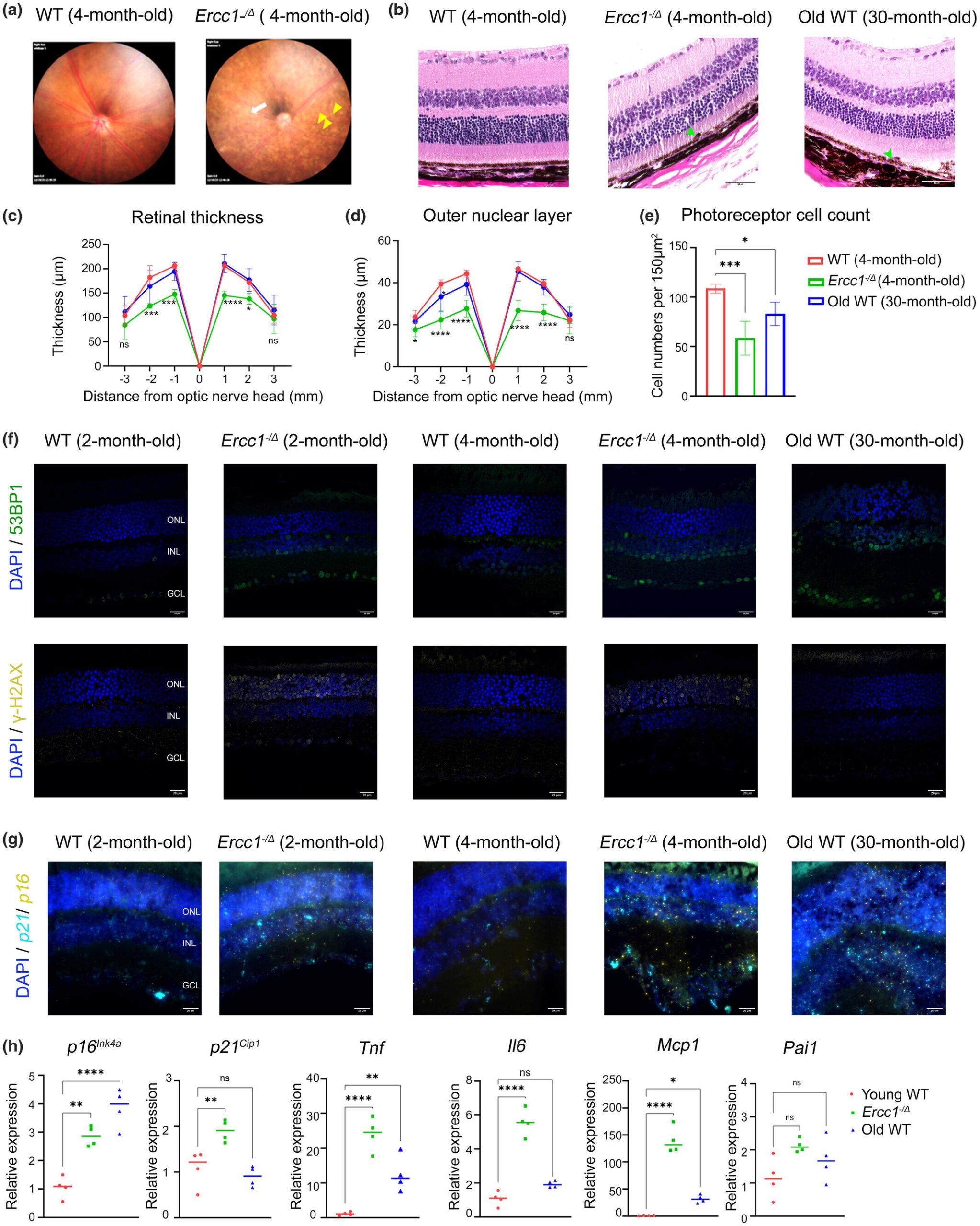
Ercc1 deficiency alters retinal structure and increases senescence markers in neural retina. Credit: Aging Cell (2024). DOI: 10.1111/acel.14419 A research team co-led by the University of California, Irvine has discovered