
Researchers at the Netherlands Institute for Neuroscience have become the first to fully characterize cell activity from a little relay station in the center of the human brain. This aids our understanding of how the brain processes visual information and could help with developing a visual prosthesis for blind people in the future.
Source link
Deep-brain recording reveals how a crucial relay station shapes human visual signals
December 17, 2025
0 Comments
Explore More
Nerve regrowth findings could lead to a potential treatment for a common cause of blindness
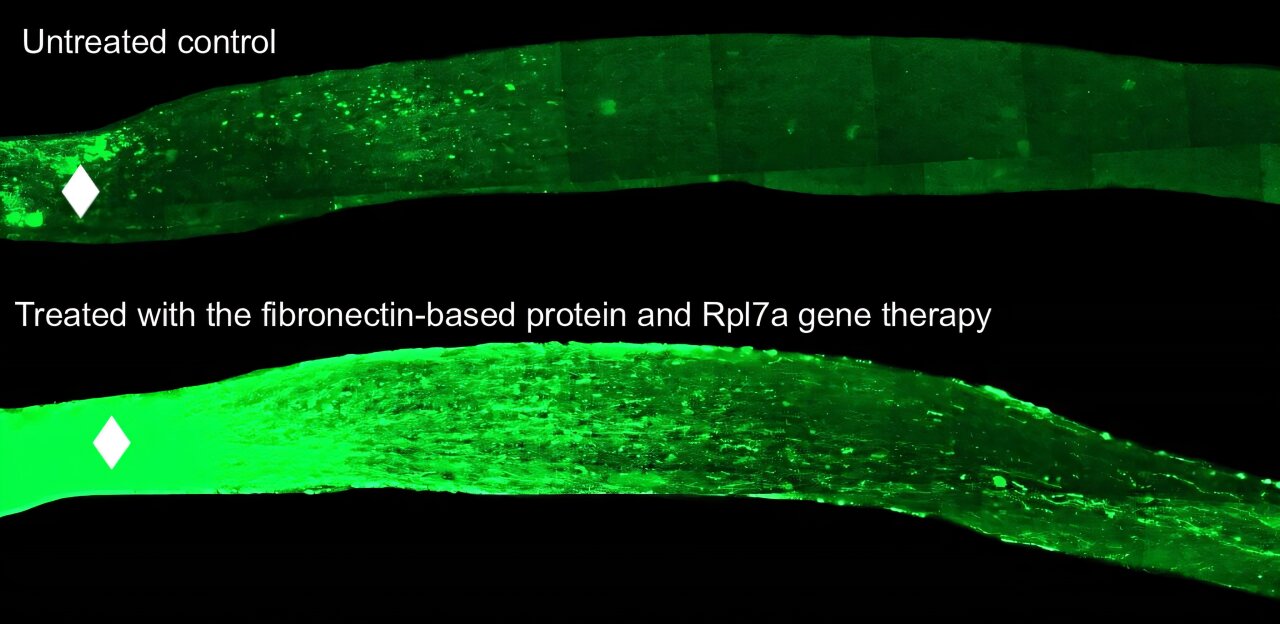
The image show two optic nerves, six weeks after they have been crushed (injury marked with a rhombus.) The nerves project fibers from left to right. Live nerve tissue glows
Virtual screening identifies potential treatments for inherited eye disease that causes blindness
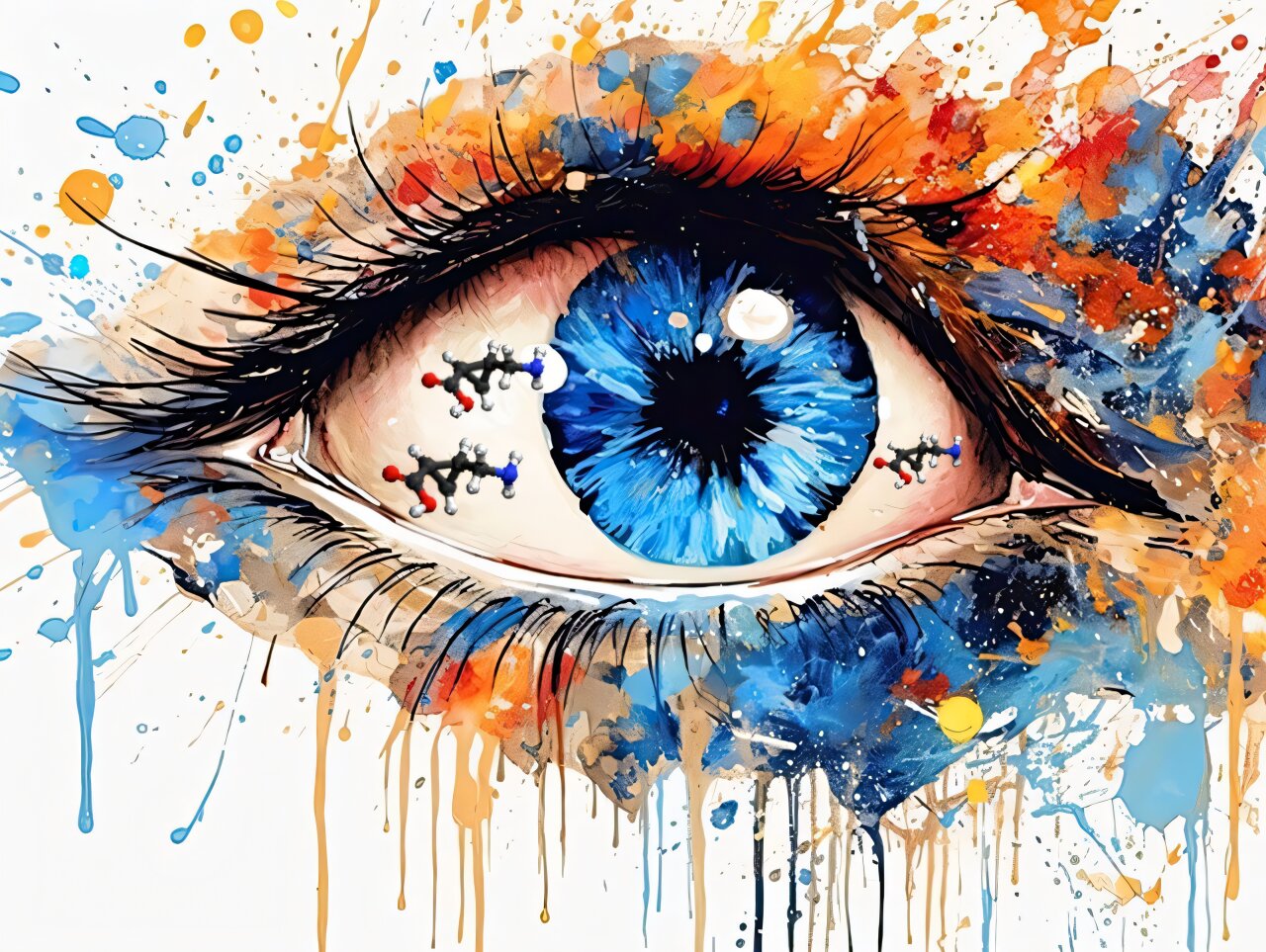
Treatment with bioavailable small-molecule pharmacochaperones targeting the visual receptor rhodopsin offers a promising approach to prevent retinal photoreceptor degeneration caused by inherited mutations in this receptor. Credit: Beata Jastrzebska, created
Precision gene editing could prevent vision loss from Stargardt disease
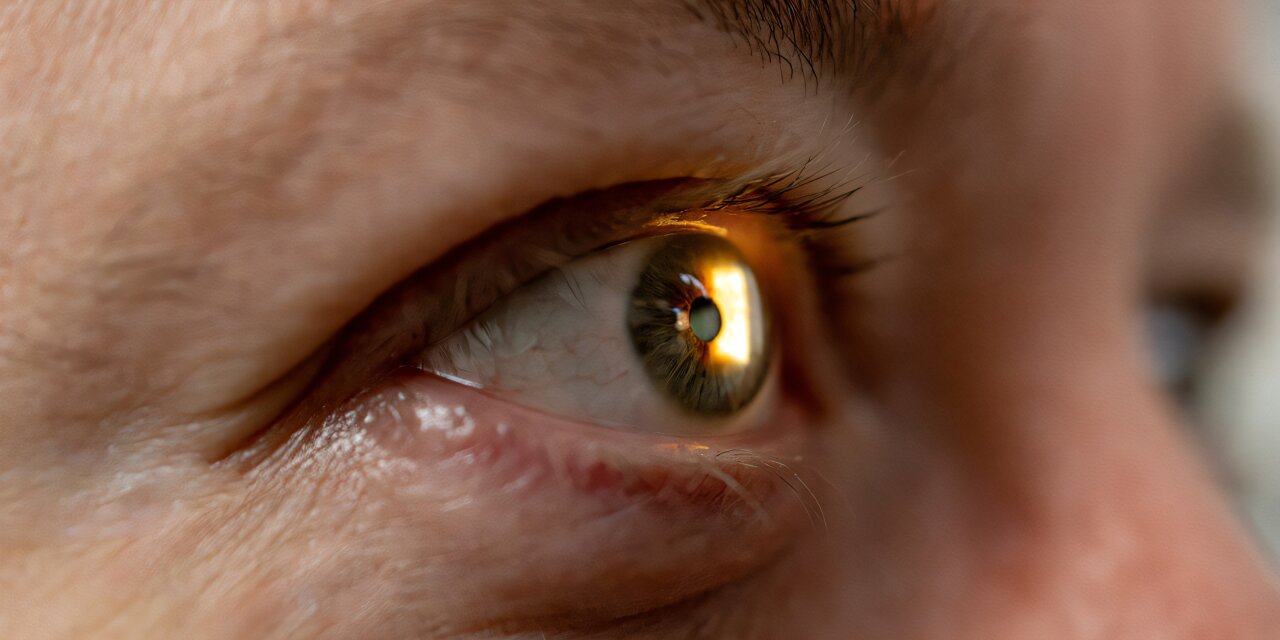
Among the rare diseases, Stargardt disease is one of the most common affecting the retina. Credit: IOB Researchers have developed a therapy to treat Stargardt disease, the most common form