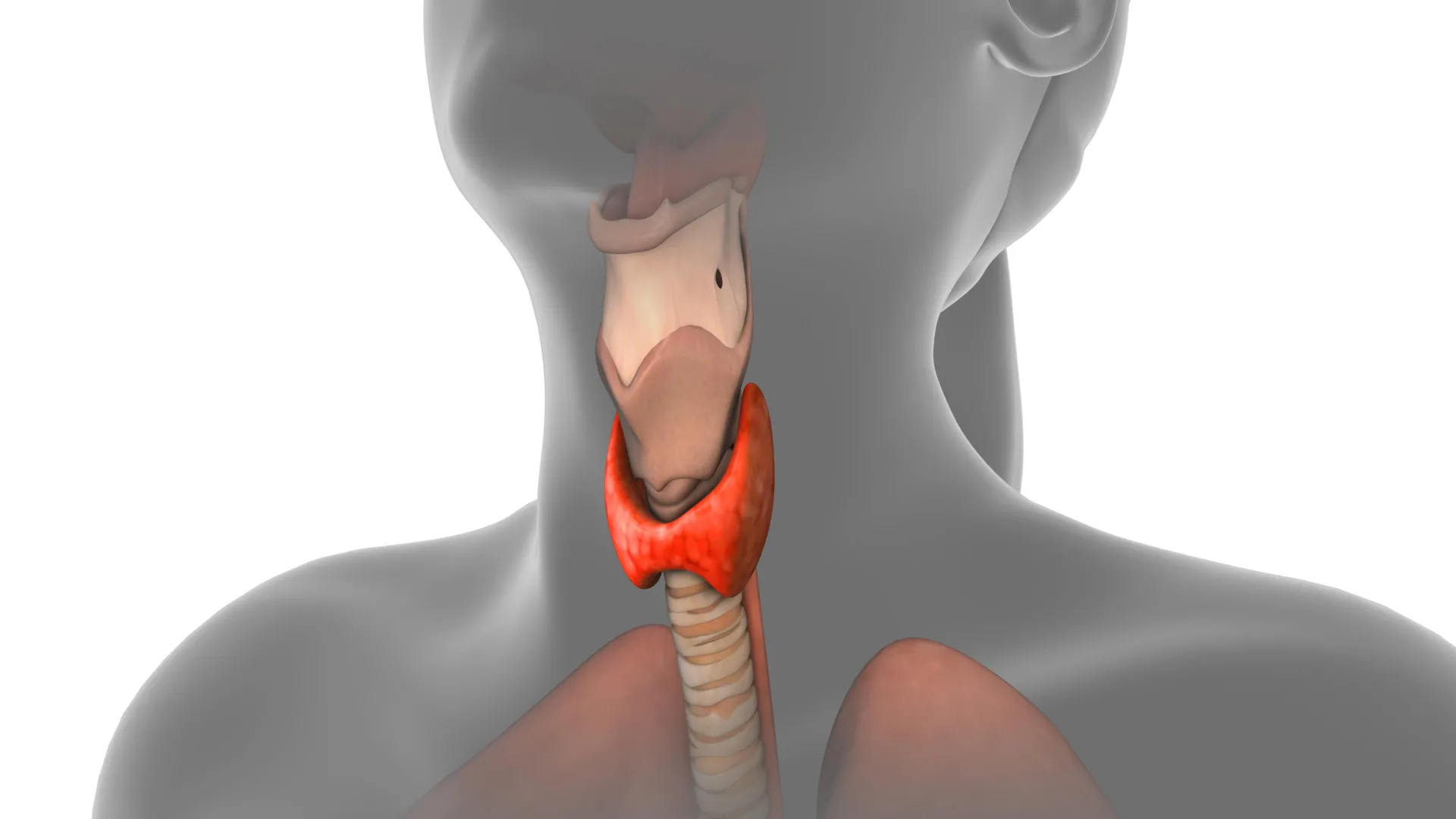
Women who experience continuing thyroid hormone irregularities throughout pregnancy may face a higher chance of having a child diagnosed with autism, according to a study released in The Journal of Clinical Endocrinology & Metabolism.
Thyroid hormones supplied by the mother play an important role in fetal neurodevelopment. When these hormones become disrupted during pregnancy, previous work has linked the imbalance to atypical brain development and a higher likelihood of autism spectrum disorder (ASD). Autism is a multifaceted condition that shapes how an individual communicates, interacts socially and interprets the world.
Untreated Multi-Trimester Imbalance Carries Higher Risk
“We found that while adequately treated chronic thyroid dysfunction was not associated with increased autism risk in offspring, ongoing imbalance across multiple trimesters was,” said Idan Menashe, Ph.D., of the Ben-Gurion University of the Negev in Beer Sheva, Israel. “These findings underscore the need for routine monitoring and timely adjustment of therapy to maintain normal thyroid hormone levels throughout pregnancy.”
Large Birth Cohort Shows Clear Pattern
The research tracked more than 51,000 births and reported that mothers with persistent thyroid hormone imbalance across pregnancy had an increased likelihood of having children with autism.
The authors also documented a dose-response pattern, meaning the risk rose as the number of affected trimesters increased.
Research Team and Publication Information
Other contributors to the study include Leena Elbedour of the Ben-Gurion University of the Negev; May Weinberg of the Meir Medical Center in Kfar Saba, Israel, and Tel Aviv University in Tel Aviv, Israel; Gal Meiri of the Soroka University Medical Center in Beer-Sheva, Israel, and the Ben-Gurion University of the Negev; and Analya Michaelovski of the Soroka University Medical Center.
No funding was received for this research.
“Maternal Thyroid Hormone Imbalance and Risk of Autism Spectrum Disorder,” was published online, ahead of print.