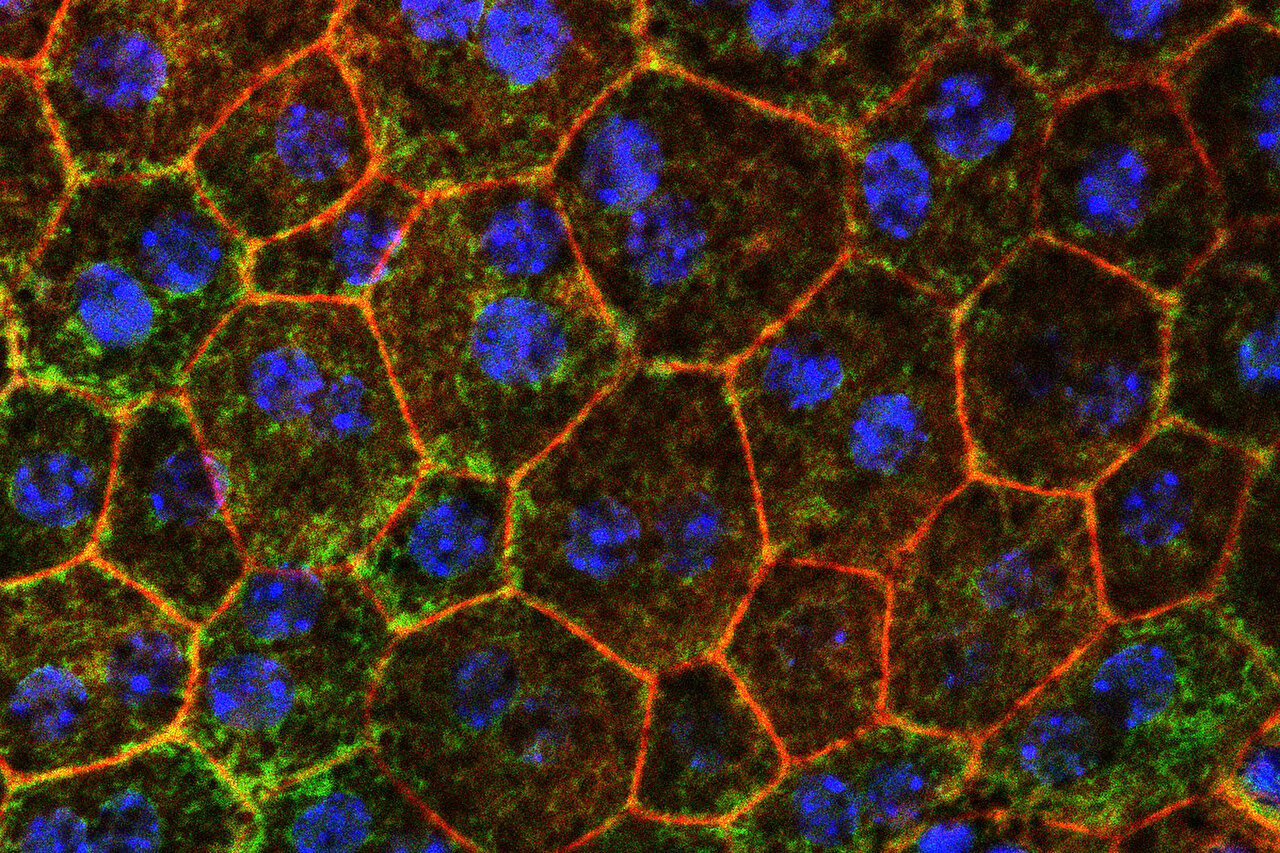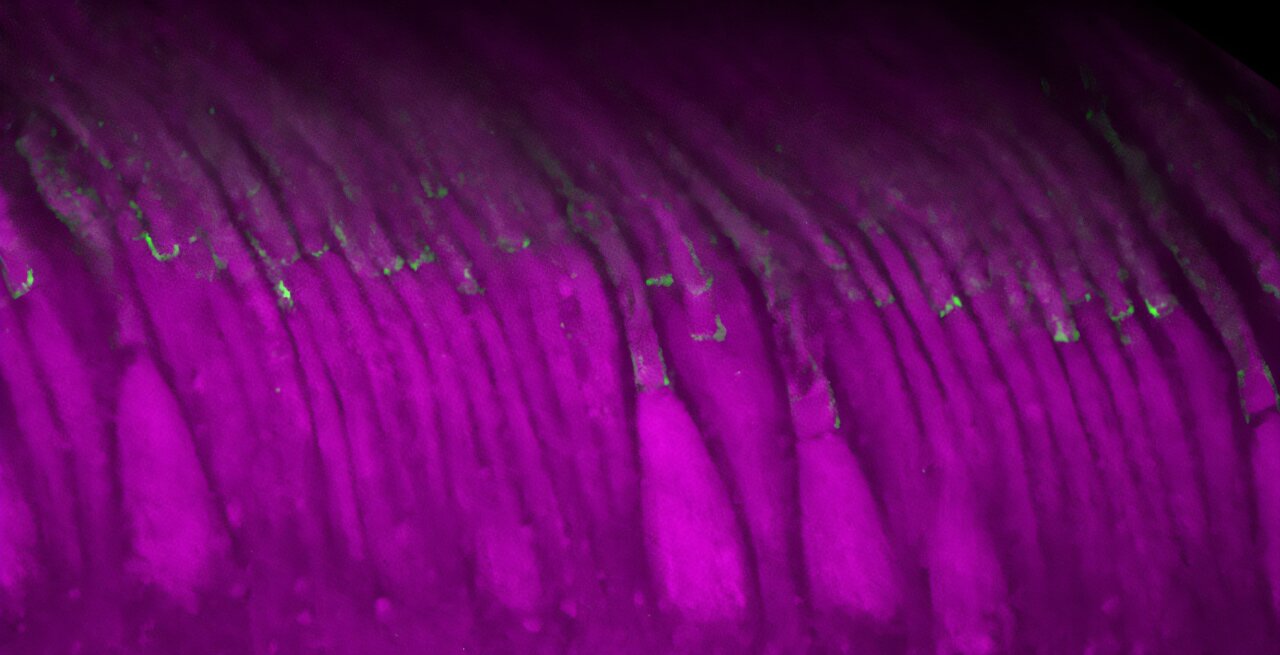

A recent study led by Tiffany Schmidt, Ph.D., associate professor of Ophthalmology and of Neurobiology in the Weinberg College of Arts and Sciences, has discovered previously unknown cellular mechanisms that shape neuron identity in retinal cells, findings that may improve the understanding of brain circuitry and disease. The study is published in Nature Communications.
Schmidt’s laboratory studies melanopsin-expressing, intrinsically photosensitive retinal ganglion cells (ipRGCs), a type of neuron in the retina that plays a key role in synchronizing the body’s internal clock to the daily light/dark cycle.
There are six subtypes of ipRGCs—M1 to M6—and each expresses a different amount of the protein melanopsin, which makes the ipRGCs directly sensitive to light. However, the mechanisms which give rise to each ipRGCs subtype’s unique structural and functional features have previously remained elusive.
“We’ve been wondering how you can get this one ipRGC that morphs into all these different classes and how they’re then specialized for all their different behaviors,” Schmidt said.
In collaboration with the laboratory of Yue Yang, Ph.D., assistant professor of Neurobiology in the Weinberg College of Arts and Sciences, the scientists used a combination of electrophysiology and genetic sequencing techniques to study a protein called BRN3B in knockout mouse models.
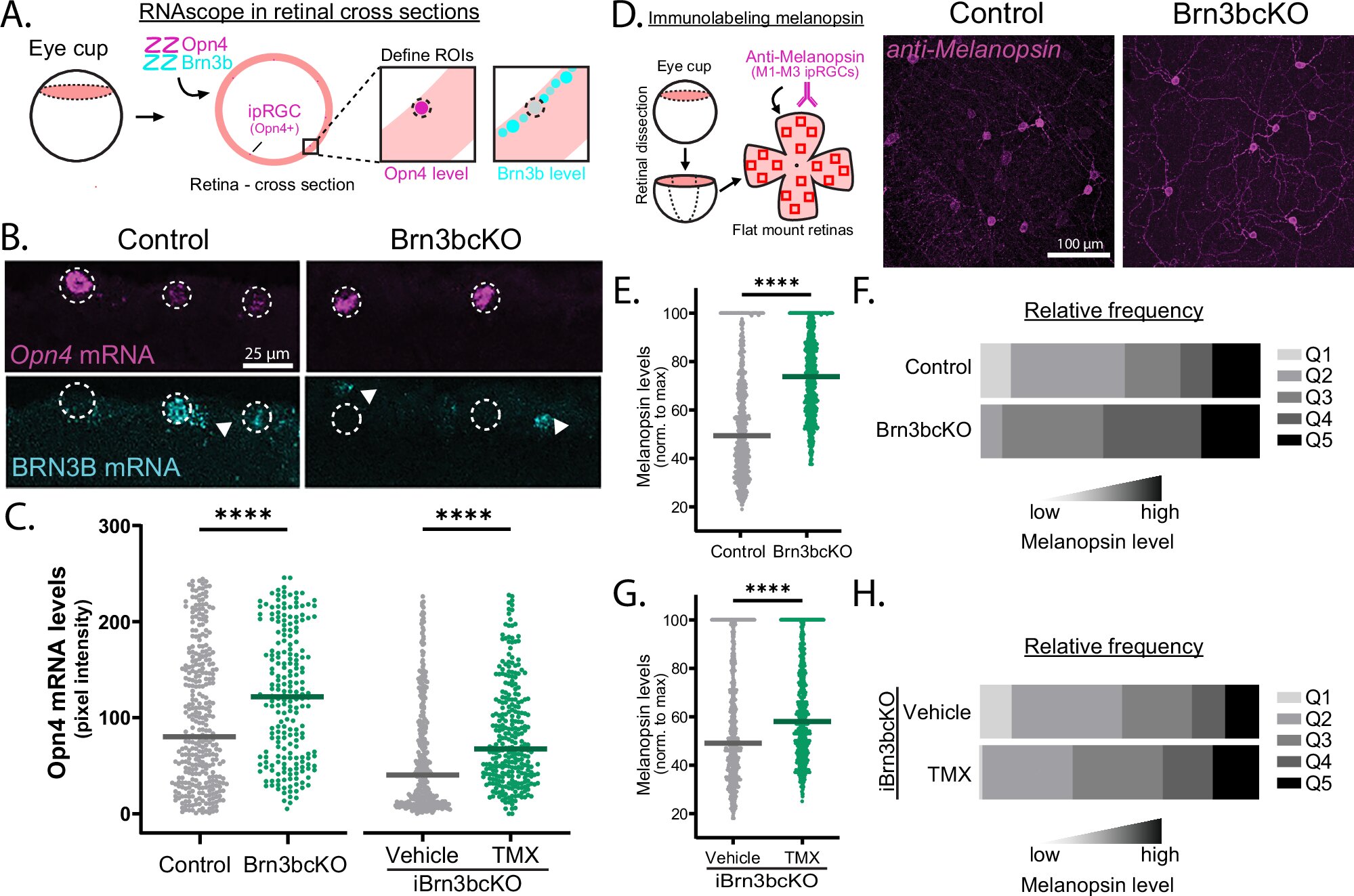
“Notably, BRN3B expression is present in newly postmitotic ipRGCs and persists into adulthood, suggesting it may play as-yet-unidentified roles in ipRGC development and function. We therefore assessed how the removal of BRN3B from ipRGCs impacts gene regulation in these cells,” the authors wrote.
The scientists discovered that disrupting BRN3B expression levels caused transcriptional and functional shifts in all ipRGC subtypes, most notably that the gene expression profiles of all ipRGC subtypes shifted toward the gene expression profile of M1 cells.
These findings improve the understanding of how neuronal subtypes develop specific molecular and cellular features and why these differences influence function and behavior, according to Schmidt.
“If we can understand how these features are tuned during development in this class of six cells across such a broad range, now we can start to see what’s downstream of that and what are the basic mechanisms that might be present in other diverse types of neurons in the retina, but also in the brain as well,” Schmidt said.
Schmidt said next steps will include identifying the intracellular mechanisms and downstream targets that shape these distinct neuronal properties.
“I think that will be very exciting for our understanding of what types of mutations can affect neuron function, which would have implications for diseases beyond the retina,” Schmidt said.
More information:
Marcos L. Aranda et al, Genetic tuning of retinal ganglion cell subtype identity to drive visual behavior, Nature Communications (2025). DOI: 10.1038/s41467-025-63675-w
Citation:
Novel molecular mechanisms shape neuron identity in retinal cells (2025, October 29)
retrieved 29 October 2025
from https://medicalxpress.com/news/2025-10-molecular-mechanisms-neuron-identity-retinal.html
This document is subject to copyright. Apart from any fair dealing for the purpose of private study or research, no
part may be reproduced without the written permission. The content is provided for information purposes only.