Cremation has become Americans’ most popular choice for the postmortem treatment of their bodies. But the process involves burning fossil fuels, which may release toxic gases. “The New Old Age” columnist Paula Span appeared on WAMU’S Oct. 8 “Health Hub” to explain some of the more environmentally friendly alternatives.
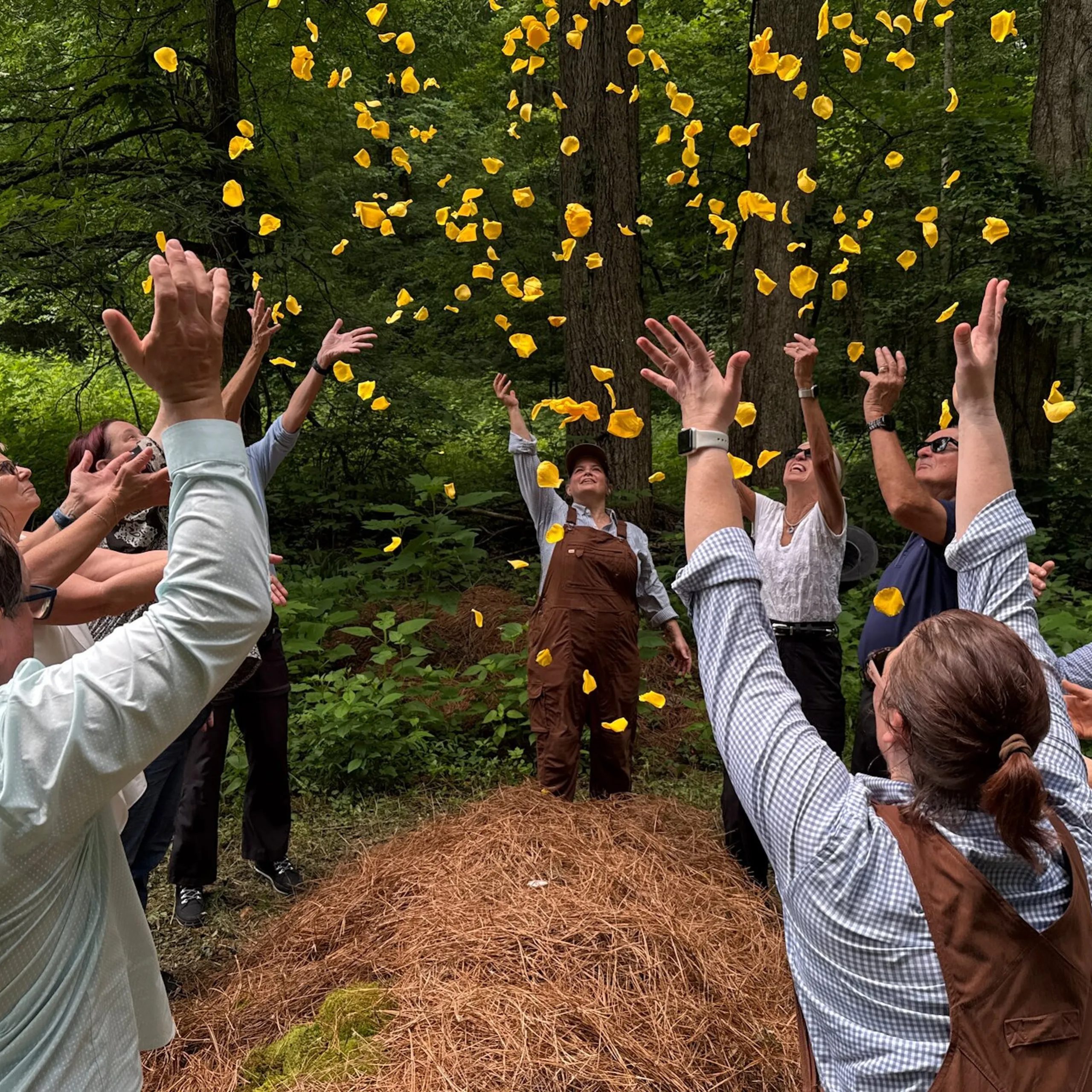
Green burials are gaining popularity as an affordable, eco-friendly alternative to traditional funerals. They avoid toxic embalming chemicals, steel caskets, and concrete vaults, letting a body naturally decompose. Methods range from the elaborate — like “human composting” and water cremation — to a simple pine box.
“The New Old Age” columnist Paula Span appeared on WAMU’s Oct. 8 “Health Hub” to talk about the environmental and economic motivations behind these alternatives to conventional burials.
Jackson Sinnenberg contributed to this report.
KFF Health News is a national newsroom that produces in-depth journalism about health issues and is one of the core operating programs at KFF—an independent source of health policy research, polling, and journalism. Learn more about KFF.
USE OUR CONTENT
This story can be republished for free (details).