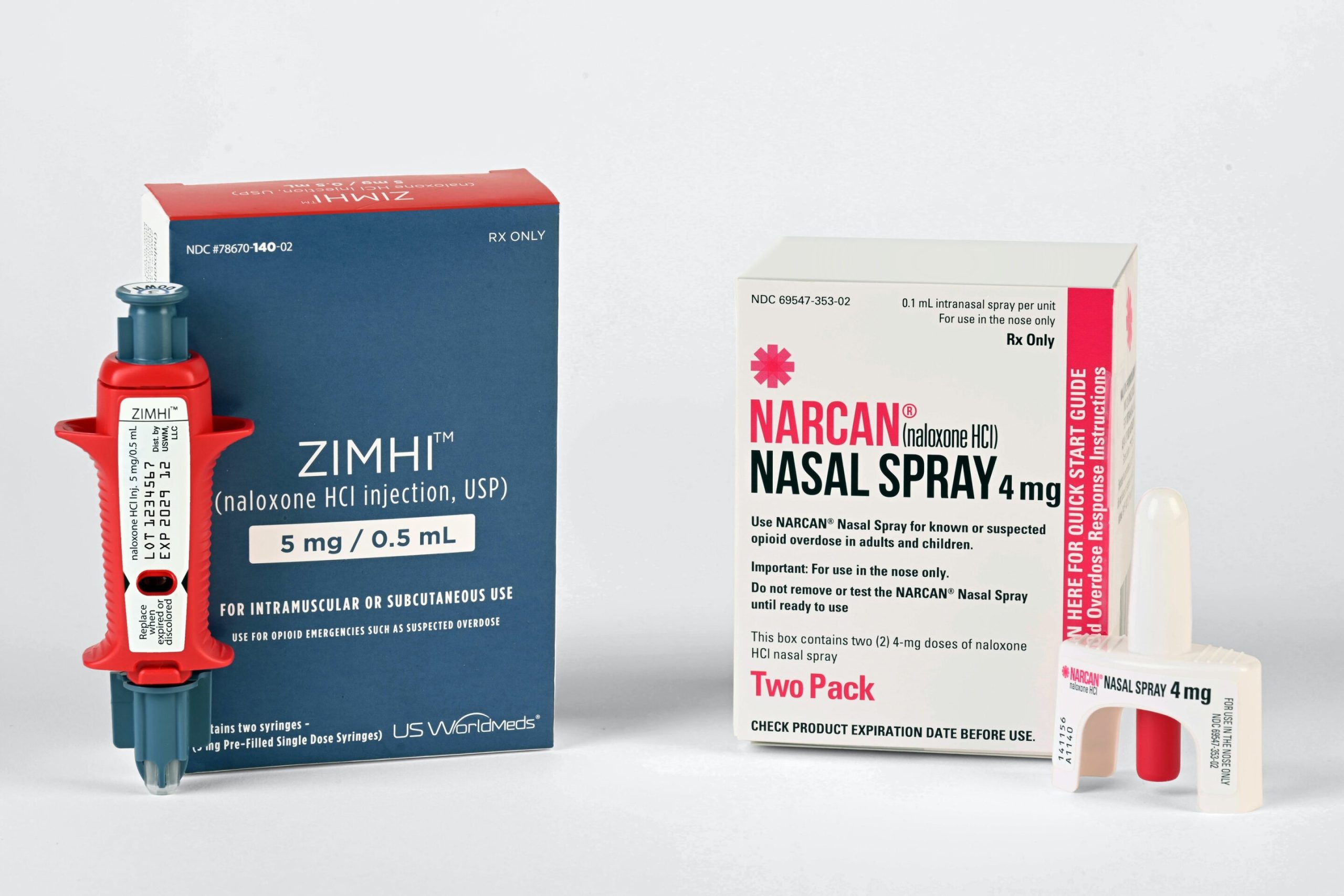
The opioid epidemic is a leading cause of morbidity and mortality in the United States, and it is increasingly impacting children and teenagers. Naloxone can reverse the effects of opioid overdose and is being used in hospitals and by emergency responders outside the hospital to save the lives of young people poisoned by opioids.
Research titled, “Naloxone Administration to Pediatric Patients During Emergency Medical Service Events,” finds that among pediatric emergency medical service responses where naloxone was administered, the first dose was successful in improving clinical status in 54.1% of cases.
Approximately one-third (32.7%) of pediatric patients received two or more naloxone doses, according to an abstract presented during the American Academy of Pediatrics 2024 National Conference & Exhibition at the Orange County Convention Center from Sept. 27–Oct. 1.
“Emergency medical services clinicians rarely reported that naloxone worsened clinical status, and naloxone improved a patient’s clinical condition in over half of emergency responses in our study,” said lead study author Christopher Gaw, MD, MPH, MBE, FAAP, emergency medicine physician at Nationwide Children’s Hospital.
“This finding underscores how naloxone can be a safe and effective antidote when used for suspected opioid poisonings in children and adolescents.”
Researchers examined data from the National Emergency Medicine Service Information System (NEMSIS) on emergency medical service activations for pediatric patients ages 17 and younger in 2022, and found naloxone was administered to teenagers and children at least 6,215 times that year.
The study also found that one in five adolescents 13–17 years old were documented as receiving naloxone prior to emergency medical service arrival (20.7%), meaning that somebody on the scene administered naloxone. Naloxone administrations occurred most often in the home or residential setting (61.4%).
The research also found that most overdoses occur in adolescents, ages 13–17 (79.4%), followed by children ages 1–5 (10.2%), and boys were also slightly more likely to receive naloxone (55.3%).
The calls for assistance suggest there may be initial confusion in the early emergency medical service response period before a diagnosis is made. In the study, the initial emergency call was for an overdose, poisoning, or ingestion in about a third of the calls for adolescents 13–17 (31.5%) and just 12.8% of calls for infants.
“Our study highlights how EMS clinicians are reporting naloxone use after responding to different types of emergency dispatch calls, such as poisonings, unconsciousness, and problems breathing,” Dr. Gaw said. “These signs and symptoms could represent a possible opioid poisoning, which may explain why naloxone was administered in those situations.”
More information:
Abstract Title: Naloxone Administration to Pediatric Patients During Emergency Medical Service Events
Dr. Gaw is scheduled to present his research from 4:15-5 p.m. Saturday, Sept. 28, at the Section of Emergency Medicine program during the national conference.
Citation:
Naloxone successful in over half of uses in reversing signs of opioid overdose in the prehospital setting (2024, September 27)
retrieved 28 September 2024
from https://medicalxpress.com/news/2024-09-naloxone-successful-reversing-opioid-overdose.html
This document is subject to copyright. Apart from any fair dealing for the purpose of private study or research, no
part may be reproduced without the written permission. The content is provided for information purposes only.