People who sleep poorly are more likely than others to have brains that appear older than they actually are. This is according to a comprehensive brain imaging study from Karolinska Institutet, published in the journal eBioMedicine. Increased inflammation in the body may partly explain the association.
Poor sleep has been linked to dementia, but it is unclear whether unhealthy sleep habits contribute to the development of dementia or whether they are rather early symptoms of the disease. In a new study, researchers at Karolinska Institutet have investigated the link between sleep characteristics and how old the brain appears in relation to its chronological age.
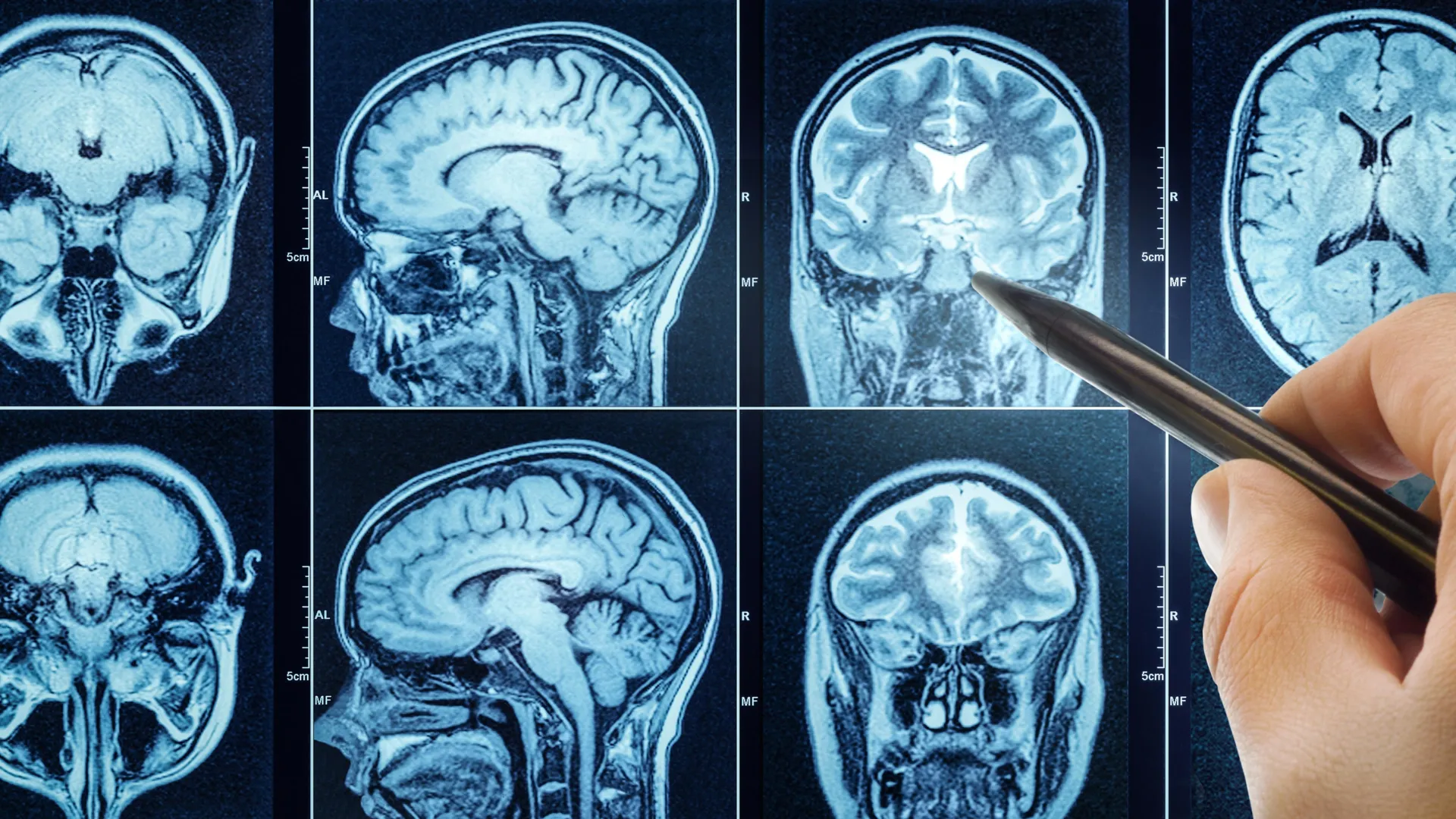
The study includes 27,500 middle-aged and older people from the UK Biobank who underwent magnetic resonance imaging (MRI) of the brain. Using machine learning, the researchers estimated the biological age of the brain based on over a thousand brain MRI phenotypes.
Low-grade inflammation
The participants’ sleep quality was scored based on five self-reported factors: chronotype (being a morning/evening person), sleep duration, insomnia, snoring, and daytime sleepiness. They were then divided into three groups: healthy (≥4 points), intermediate (2-3 points), or poor (≤1 point) sleep.
“The gap between brain age and chronological age widened by about six months for every 1-point decrease in healthy sleep score,” explains Abigail Dove, researcher at the Department of Neurobiology, Care Sciences and Society, Karolinska Institutet, who led the study. “People with poor sleep had brains that appeared on average one year older than their actual age.”
To understand how poor sleep can affect the brain, the researchers also examined levels of low-grade inflammation in the body. They found that inflammation could explain just over ten per cent of the link between poor sleep and older brain age.
“Our findings provide evidence that poor sleep may contribute to accelerated brain aging and point to inflammation as one of the underlying mechanisms,” says Abigail Dove. “Since sleep is modifiable, it may be possible to prevent accelerated brain aging and perhaps even cognitive decline through healthier sleep.”
Several possible explanations
Other possible mechanisms that could explain the association are negative effects on the brain’s waste clearance system, which is active mainly during sleep, or that poor sleep affects cardiovascular health, which in turn can have a negative impact on the brain.
Participants in the UK Biobank are healthier than the general UK population, which could limit the generalisability of the findings. Another limitation of the study is that the results are based on self-reported sleep.
The study was conducted in collaboration with researchers from the Swedish School of Sport and Health Sciences, and Tianjin Medical University and Sichuan University in China, among others. It was funded by the Alzheimer’s Foundation, the Dementia Foundation, the Swedish Research Council, the Loo and Hans Osterman Foundation for Medical Research, and the Knowledge Foundation. The researchers report no conflicts of interest.