Cancer Research UK-funded scientists have uncovered dementia-like behavior in pancreas cells at risk of turning into cancer. The findings provide clues that could help in the treatment and prevention of pancreatic cancer, a difficult-to-treat disease linked to 6,900 deaths in the UK every year.*
The research was published on August 15 in the journal Developmental Cell, and was funded by Cancer Research UK, with additional support from Wellcome, theMedical Research Council, and the Biotechnology and Biological Sciences Research Council.
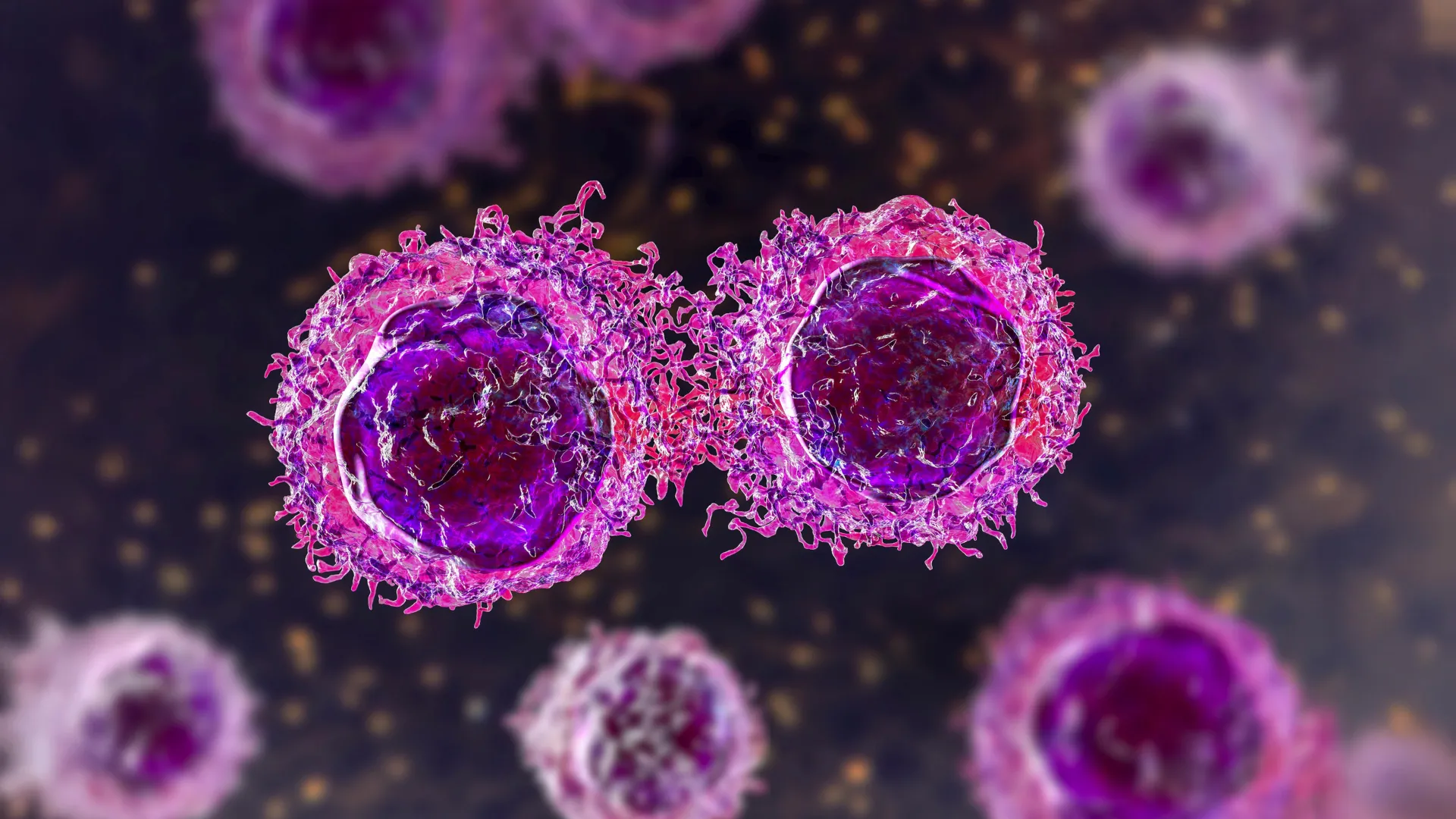
Researchers from the Cancer Research UK Scotland Centre studied pancreas cells in mice over time, to see what was causing healthy cells to turn into cancer cells. They discovered that pancreatic cells at risk of becoming cancerous, known as pre-cancers, develop faults in the cell’s recycling process (known as “autophagy”).
In pre-cancer cells, the researchers noticed excess “problem protein” molecules forming clumps – behavior seen in neurological diseases such as dementia. The researchers also noticed similar clumping occurring in human pancreas samples, suggesting this happens during pancreatic cancer development.
Cancer Research UK Senior Fellow at the Institute of Genetics and Cancer at the University of Edinburgh, Professor Simon Wilkinson, said: “Our research shows the potential role autophagy disruption plays in the beginnings of pancreatic cancer. While early stage, we can potentially learn from research into other diseases where we see protein clumping, such as dementia, to better understand this aggressive type of cancer and how to prevent it.”
Although survival for many types of cancer has improved over recent decades, this has not been the case for pancreatic cancer. This is partly because it is often diagnosed at a late stage, where treatment options are limited.** To address this, the researchers wanted to learn more about what may be causing pancreas cells to turn into cancer.
Multiple cancer types, including pancreatic cancer, are linked to a faulty mutation in a gene called KRAS, but scientists are increasingly learning that genetic changes are not the whole story.
One of the ways cells keep people healthy is by breaking down excess molecules they no longer need, through a recycling process called “autophagy.” Autophagy is particularly important in the pancreas to control the level of digestive proteins and hormones the pancreas produces to help break down food.
Scientists have studied autophagy in detail over many years and are learning the key role it plays in diseases such as cancer. In some cases, cancer cells can become “addicted” to autophagy, hijacking the recycling process to help cancer cells divide and grow more quickly***.
This research, on the other hand, suggests the combined effect of the faulty KRAS gene and disrupted autophagy could be driving the development of pancreatic cancer. The researchers plan to study these processes in more detail, to see if they can help predict or possibly reverse the start of pancreatic cancer, and if factors like age, sex, or diet play a role.
Executive Director of Research and Innovation at Cancer Research UK, Dr Iain Foulkes, said:
“Around 10,500 people are diagnosed with pancreatic cancer in the UK each year and, sadly, too many of those cases are found at a stage where treatment options are limited. While further work is needed, these findings could provide vital clues into how we can better understand how pancreatic cancer develops.”
Research into pancreatic cancer is one of Cancer Research UK’s top priorities. We fund research into the causes of pancreatic cancer, tests to diagnose the disease, and clinical trials designed to look at improving treatment, reducing side effects, and controlling symptoms**.
The paper, titled “ER-phagy and proteostasis defects prime pancreatic epithelial state changes in KRAS-mediated oncogenesis” was published on August 15 in Developmental Cell.
Notes
*Pancreatic cancer statistics. Cancer Research UK. https://www.cancerresearchuk.org/health-professional/cancer-statistics/statistics-by-cancer-type/pancreatic-cancer. Accessed July 2025.
**Research into pancreatic cancer. Cancer Research UK. https://www.cancerresearchuk.org/about-cancer/pancreatic-cancer/research-clinical-trials/pancreatic-cancer. Accessed July 2025.
***Pimentel et al. Autophagy and cancer therapy. Cancer Letter. 2024. doi: 10.1016/j.canlet.2024.217285.