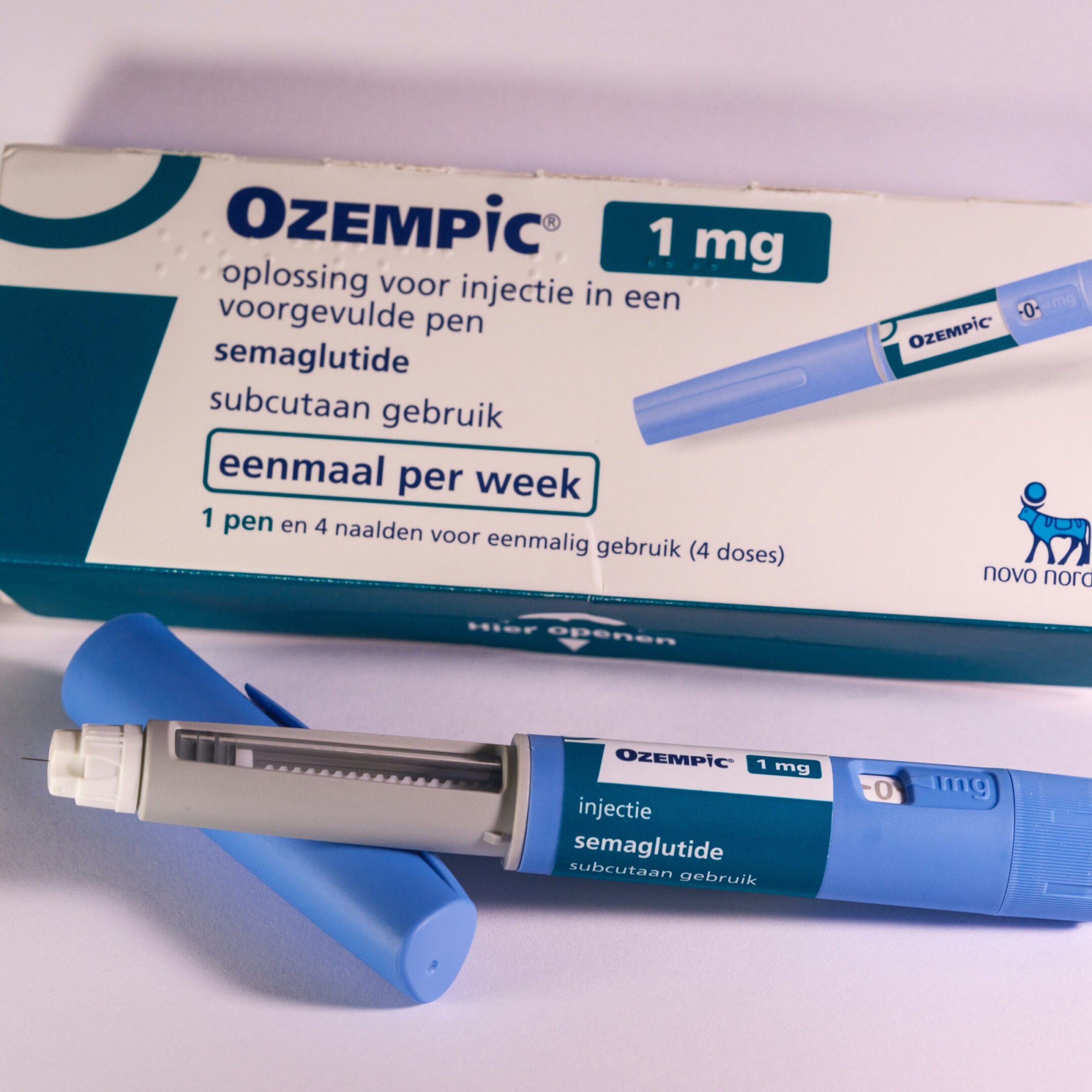

Cleveland Clinic Cole Eye Institute researchers have identified a potential association between the use of GLP-1 receptor agonist (GLP-1RA) therapy and a reduced risk of non-infectious uveitis, a type of eye inflammation.
Uveitis is an inflammatory eye condition that affects the uvea, the middle layer of the eye, and can also impact surrounding structures like the retina. It can cause eye pain, redness, and blurred vision, and in more severe or untreated cases, it can lead to permanent vision loss. Worldwide, there are about 4 million new cases diagnosed each year.
The study found GLP-1RA use was associated with a significantly lower risk of developing new onset non-infectious uveitis compared to control patients, as well as those on insulin and metformin.
The findings, published today in JAMA Ophthalmology, suggest potential anti-inflammatory benefits beyond glycemic control and a possible protective association between GLP-1RA therapy and uveitis risk.
Certain populations are at an increased risk of developing uveitis, including those with a family history, patients with a genetic predisposition, and patients with other autoimmune diseases. For patients in these populations who meet the indication for diabetic or weight loss medication, this research is promising because being prescribed GLP1-RAs may have the additional benefit of decreasing the risk of new onset non-infectious uveitis.
“This is the first study to find a protective effect of GLP-1RA therapy for autoimmune disease, which is very exciting and shows a further benefit of these drugs for patients beyond just weight loss and control of diabetes,” said Sumit Sharma, M.D., a retina and uveitis specialist at Cleveland Clinic Cole Eye Institute and the senior author of the study.
This Cleveland Clinic retrospective cohort study was conducted using electronic health record network data from 2006 to 2025. The study used the TriNetX platform, which contains the deidentified electronic health record data of over 120 million patients from more than 60 health care organizations.
This study assessed the potential association between patients prescribed GLP-1RA therapy and the incidence of new onset uveitis among 516,052 patients. Data were evaluated among two main groups: an overall GLP-1RA group of 258,026 patients, including all patients prescribed GLP-1RA therapy regardless of diabetic status, and an equal size control group consisting of patients who were never prescribed GLP-1RAs but may have been prescribed other diabetic treatment.
Additionally, data were assessed across four cohorts: an overall cohort, a cohort with diabetes, a cohort with type 2 diabetes, and a cohort without diabetes. There were an equal number of patients in the control groups.
Primary analysis assessed the risk of uveitis any time after the first GLP-1RA prescription with two additional analyses conducted. Outcomes were limited to uveitis diagnoses occurring within one year, three years, and five years following the initial prescription.
In the overall cohort, GLP-1RA treatment was associated with a 51.7% relative risk reduction in the incidence of newly diagnosed non-infectious uveitis. This protective effect was consistent across all subgroups, with GLP-1RA users exhibiting approximately a 50% lower risk of uveitis compared to non-users.
The condition is driven by inflammation inside the eye, often linked to autoimmune and inflammatory conditions like sarcoidosis, ankylosing spondylitis and inflammatory bowel disease. Non-infectious uveitis is conventionally treated with steroids or, in cases of chronic uveitis, patients are prescribed long-term immunosuppressive therapy.
While further research is needed, these findings highlight the potential of GLP-1RAs to reduce the risk of new onset non-infectious uveitis and suggest they may offer broader benefits for inflammatory eye diseases.
More information:
Nitesh Mohan et al, Glucagon-Like Peptide-1 Receptor Agonists and Risk of Uveitis, JAMA Ophthalmology (2025). DOI: 10.1001/jamaophthalmol.2025.2822
Citation:
Injectable obesity medications associated with reduced risk for eye inflammation (2025, August 28)
retrieved 31 August 2025
from https://medicalxpress.com/news/2025-08-obesity-medications-eye-inflammation.html
This document is subject to copyright. Apart from any fair dealing for the purpose of private study or research, no
part may be reproduced without the written permission. The content is provided for information purposes only.