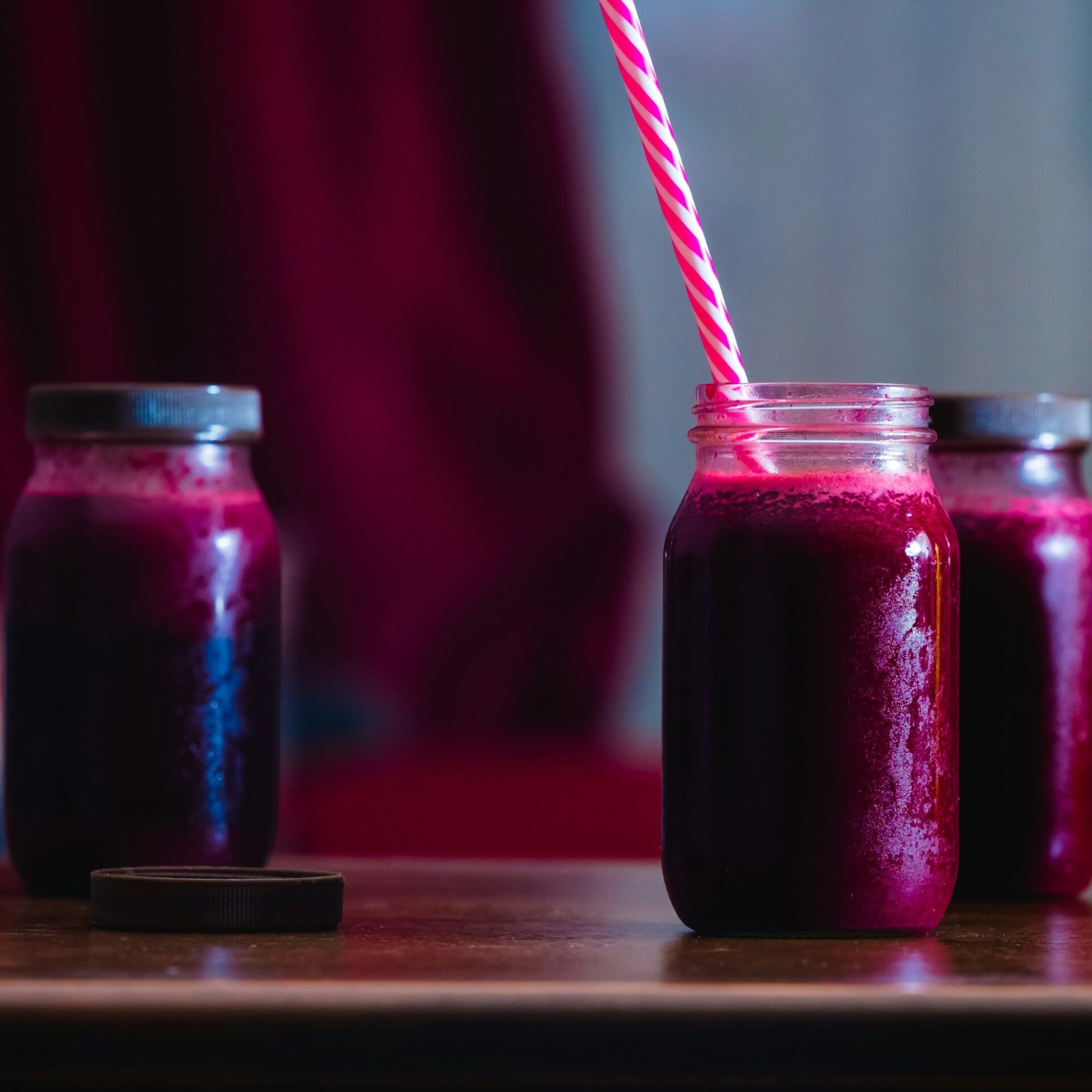

The blood pressure-lowering effect of nitrate-rich beetroot juice in older people may be due to specific changes in their oral microbiome, according to the largest study of its kind.
Researchers at the University of Exeter conducted the study, published in the journal Free Radical Biology and Medicine, comparing responses between a group of older adults to that of younger adults. Previous research has shown that a high nitrate diet can reduce blood pressure, which can help reduce the risk of heart disease. The paper is titled “Ageing modifies the oral microbiome, nitric oxide bioavailability and vascular responses to dietary nitrate supplementation.”
Nitrate is crucial to the body and is consumed as a natural part of a vegetable-rich diet. When the older adults drank a concentrated beetroot juice shot twice a day for two weeks, their blood pressure decreased—an effect not seen in the younger group.
The new study provides evidence that this outcome was likely caused by the suppression of potentially harmful bacteria in the mouth.
An imbalance between beneficial and harmful oral bacteria can decrease the conversion of nitrate (abundant in vegetable-rich diets) to nitric oxide. Nitric oxide is key to healthy functioning of the blood vessels, and therefore the regulation of blood pressure.
Study author Professor Anni Vanhatalo, of the University of Exeter, said, “We know that a nitrate-rich diet has health benefits, and older people produce less of their own nitric oxide as they age. They also tend to have higher blood pressure, which can be linked to cardiovascular complications like heart attack and stroke.
“Encouraging older adults to consume more nitrate-rich vegetables could have significant long-term health benefits. The good news is that if you don’t like beetroot, there are many nitrate-rich alternatives, like spinach, arugula, fennel, celery and kale.”
The study recruited 39 adults aged under 30, and 36 adults in their 60s and 70s through the NIHR Exeter Clinical Research Facility. The trial was supported by the Exeter Clinical Trials Unit.
Each group spent two weeks taking regular doses of nitrate-rich beetroot juice and two weeks on a placebo version of the juice with nitrate stripped out. Each condition had a two-week “wash out” period in between to reset. The team then used a bacterial gene sequencing method to analyze which bacteria were present in the mouth before and after each condition.
In both groups, the make-up of the oral microbiome changed significantly after drinking the nitrate-rich beetroot juice, but these changes differed between the younger and older age groups.
The older age group experienced a notable decrease in the mouth bacteria Prevotella after drinking the nitrate-rich juice, and an increase in the growth of bacteria known to benefit health, such as Neisseria. The older group had higher average blood pressure at the start of the study, which fell after taking the nitrate-rich beetroot juice, but not after taking the placebo supplement.
Co-author Professor Andy Jones, of the University of Exeter, said, “This study shows that nitrate-rich foods alter the oral microbiome in a way that could result in less inflammation, as well as a lowering of blood pressure in older people. This paves the way for larger studies to explore the influence of lifestyle factors and biological sex in how people respond to dietary nitrate supplementation.”
Dr. Lee Beniston FRSB, Associate Director for Industry Partnerships and Collaborative Research and Development at BBSRC, said, “This research is a great example of how bioscience can help us better understand the complex links between diet, the microbiome and healthy aging.
“By uncovering how dietary nitrate affects oral bacteria and blood pressure in older adults, the study opens up new opportunities for improving vascular health through nutrition. BBSRC is proud to have supported this innovative partnership between academic researchers and industry to advance knowledge with real-world benefits.”
More information:
Anni Vanhatalo et al, Ageing modifies the oral microbiome, nitric oxide bioavailability and vascular responses to dietary nitrate supplementation, Free Radical Biology and Medicine (2025). DOI: 10.1016/j.freeradbiomed.2025.07.002
Citation:
Beetroot juice lowers blood pressure in older people by changing oral microbiome, study shows (2025, July 23)
retrieved 23 July 2025
from https://medicalxpress.com/news/2025-07-beetroot-juice-lowers-blood-pressure.html
This document is subject to copyright. Apart from any fair dealing for the purpose of private study or research, no
part may be reproduced without the written permission. The content is provided for information purposes only.