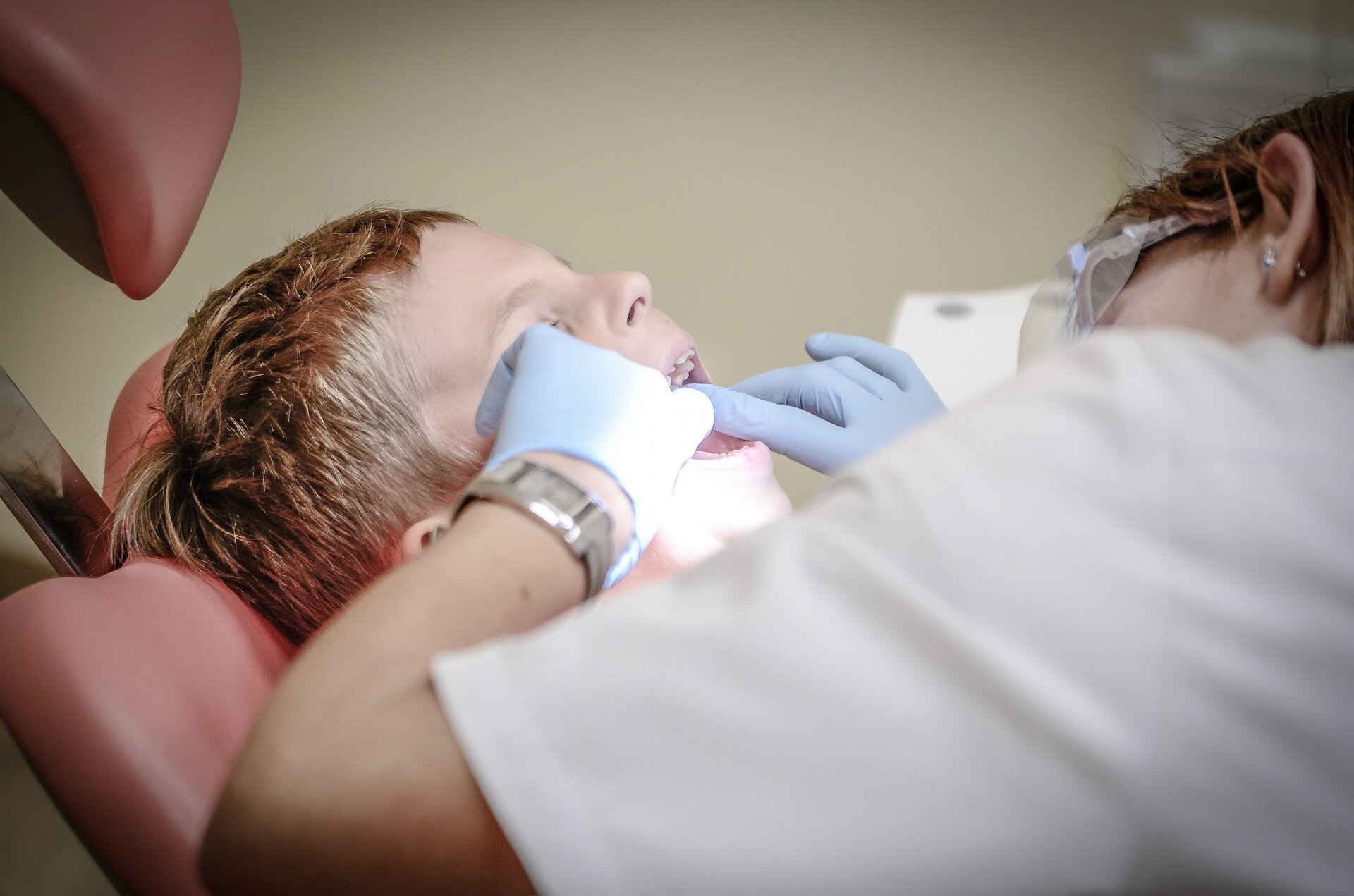
As artificial intelligence (AI) continues to be integrated into health care, a new multinational study involving Aarhus University sheds light on how dental patients really feel about its growing role in diagnostics. The verdict? Patients are cautiously optimistic, welcoming the potential benefits of AI but drawing a firm line: humans must stay in charge.
Smile—you’re on camera. Most of us have probably tried resting our jaw in an X-ray machine while a highly trained dentist examines whether everything looks as it should. But with the rise of artificial intelligence (AI), it’s increasingly likely that it will be a computer, not a human, interpreting those images. A quiet revolution in dental care is underway. But how do patients actually feel about this shift? That’s exactly what researchers from Aarhus University set out to investigate.
The research, now published in the journal Dentomaxillofacial Radiology, explored patients’ attitudes toward the use of AI in reviewing dental imaging, an area with increasing adoption whereas little is known about how patients perceive it.
“We saw a gap in the conversation,” explains Associate Professor Ruben Pauwels, from the Department of Dentistry and Oral Health at Aarhus University. “Dentists and technologists are often the focus—but patients’ voices matter if AI is to be successfully implemented.”
Overall, patients viewed AI as a useful diagnostic support tool that can enhance accuracy and efficiency. Yet the study revealed persistent concerns—especially around data privacy and the fear that AI might drive up health care costs rather than reduce them. Crucially, the overwhelming majority of participants insisted that AI should not operate without professional human oversight.
The study also highlighted cultural nuances among the six countries involved. Brazilian participants, for instance, were more open to AI replacing dentists in some situations—perhaps reflecting frustrations with long wait times and uneven care quality in the country’s health system.
The patients’ views actually mirror those of dental professionals. Previous research shows that dentists welcome AI’s potential but underscores the need for ethical safeguards and rigorous validation before full-scale adoption.
A tool—not a replacement
According to Pauwels, the study shows that it is important to both treat AI as an auxiliary tool to use in health care but be mindful that it cannot replace human expertise.
“Our findings also show how important it is to communicate clearly about when and how we use AI and actively seek out educational opportunities for both professionals and patients to understand AI capabilities and limits. Lastly, we have a responsibility to continuously evaluate and validate AI systems to ensure their reliability and effectiveness in clinical practice.”
Looking ahead, researchers expect public attitudes to evolve as AI becomes more common and better understood. And Aarhus University is already preparing: Starting in 2026, AI training will be part of the dental curriculum, and the team is developing communication tools to help clinics explain AI’s role to patients clearly and objectively.
More information:
Camila Tirapelli et al, Patient perceptions of artificial intelligence in dental imaging diagnostics: a multicentre survey, Dentomaxillofacial Radiology (2025). DOI: 10.1093/dmfr/twaf018
Citation:
Patients say ‘yes..ish’ to the use of AI in dentistry (2025, June 2)
retrieved 2 June 2025
from https://medicalxpress.com/news/2025-06-patients-yesish-ai-dentistry.html
This document is subject to copyright. Apart from any fair dealing for the purpose of private study or research, no
part may be reproduced without the written permission. The content is provided for information purposes only.