
Some 10 million people in the U.S. have oral premalignant disease, a group of diseases that show up as red patches, white patches or rough patches in the mouth and that might—or might not—develop into cancer.
Perhaps 7% to 10% of these cases will develop into cancer. For dentists and doctors who are monitoring these patients, the question is: Who is most likely to develop cancer, and therefore, would benefit from more intervention?
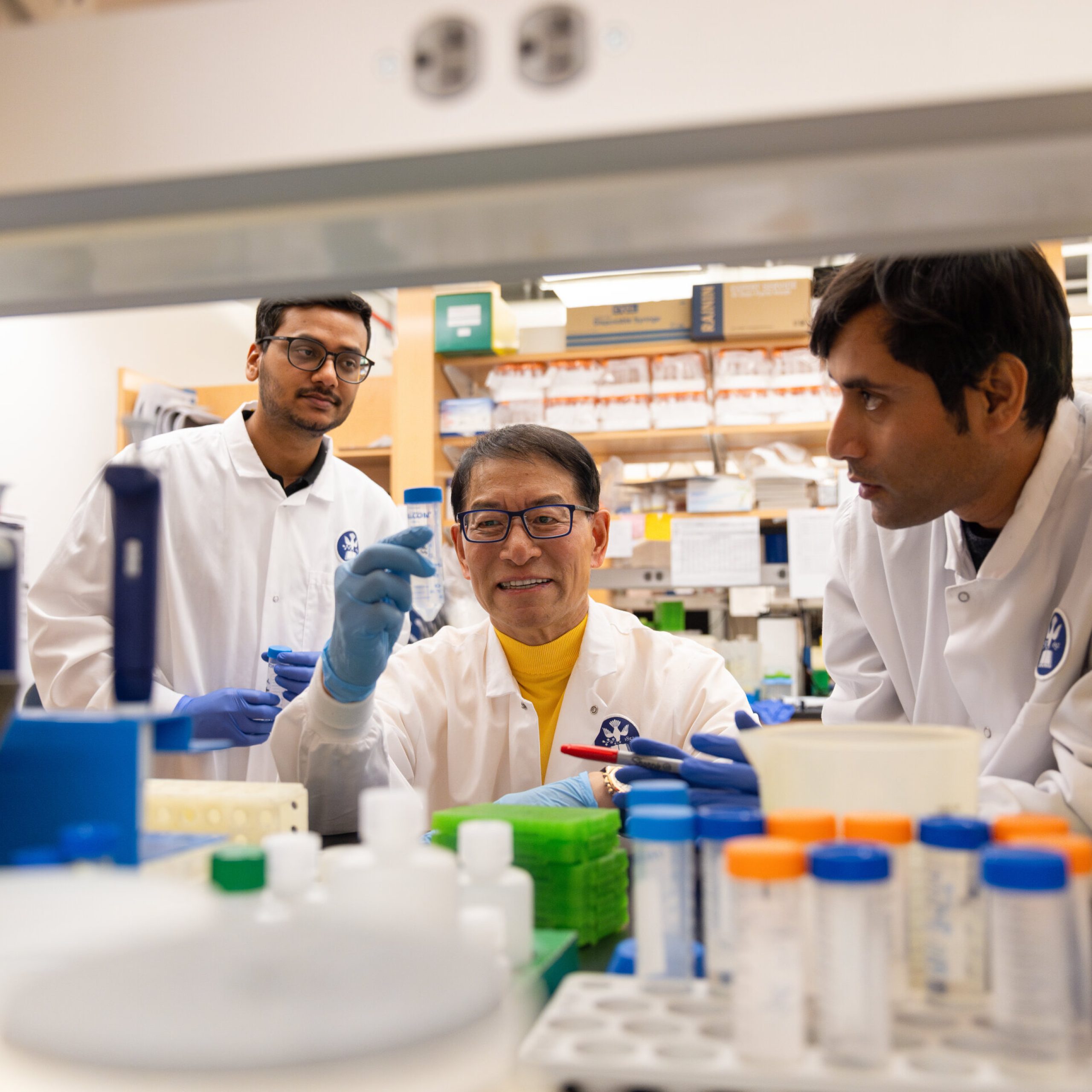
Dauren Adilbay, M.D., Ph.D., is trying to address this question through a new research project. Adilbay is a head and neck cancer surgeon with a specialized focus on microvascular reconstruction and thyroid surgery. He also conducts research and has done work using fluorescing compounds to illuminate problem areas, cancer and nerves.
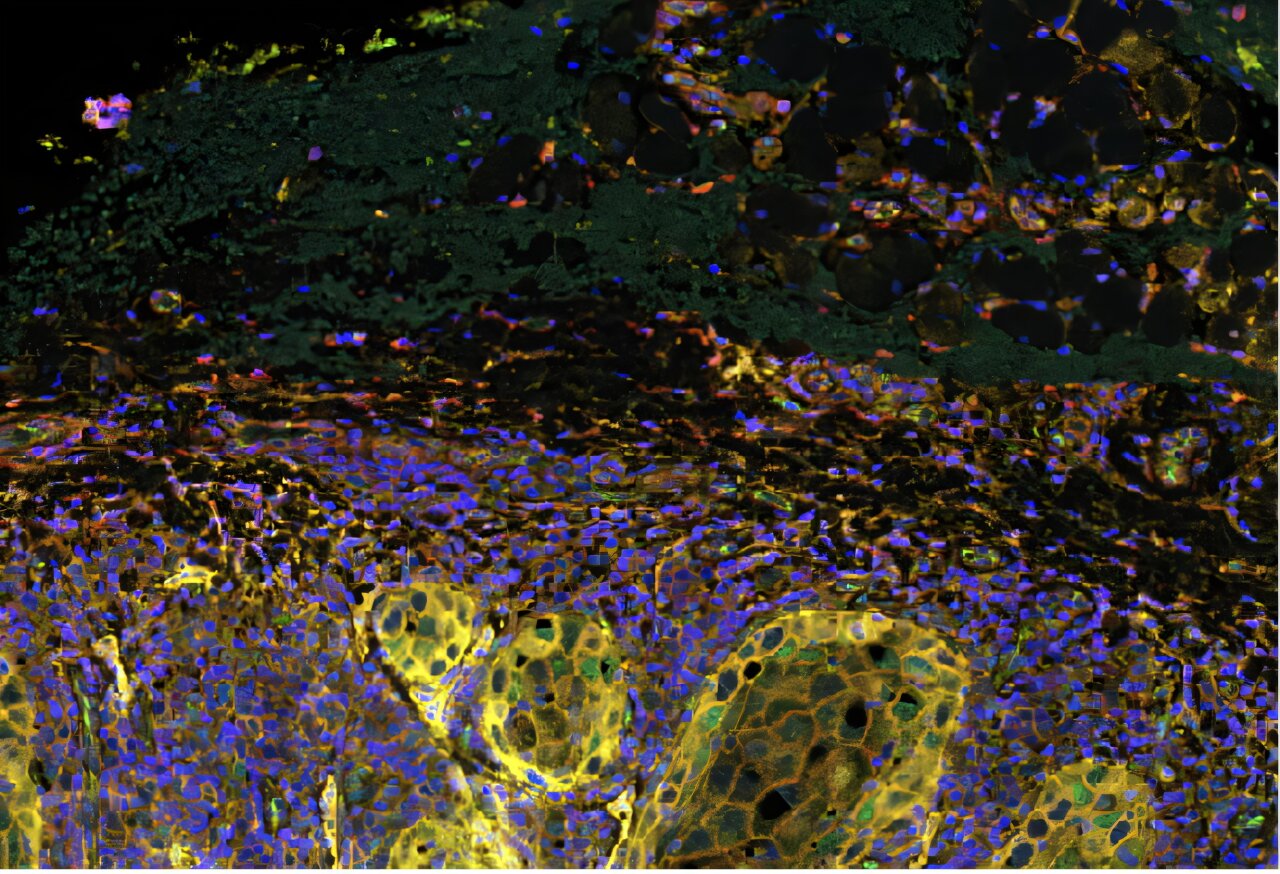
His new project seeks to attach fluorescing dye to proteins that have already been identified as biomarkers of oral cancer and then see how these dyes show up in human tissue. Eventually, if the idea works, a dentist could give the dye, either as an injection or an oral swish, to a patient with leukoplakia or other oral premalignant disease, then use a special camera to see if the dye had accumulated in a specific spot. That would indicate that that area has a high potential to turn into cancer and should be treated more aggressively.
Adilbay said the current model for people with oral premalignant disease isn’t working.
“Usually we either monitor them or we treat more aggressively, with laser ablation, cryoablation or surgery,” he said. “But really, none of these have proved that they are helping.”
A number of clinical trials have tried to determine the best course of action, using treatments ranging from vitamin E to metformin, a Type 2 diabetes medication.
“They’re trying to use a lot of different things to give patients orally to treat those premalignant lesions before they turn into a cancer. Unfortunately, at least at this point, none of them have been successful,” he said.
One clinical trial that does look promising is using the immunotherapy drug nivolumab. But nivolumab can cause side effects, particularly digestive system problems, lung and liver damage. For most people, the side effects are a tolerable trade-off for treating cancer or preventing a cancer that’s highly likely to develop. If doctors don’t know the likelihood that someone will develop cancer, though, the balance of that trade-off shifts.
“Giving them that type of aggressive therapy might be too much,” Adilbay said.
Other parts of the body also have mucosal linings that can develop cancers. If Adilbay’s project proves feasible, then it could potentially move on to fluoresce premalignant lesions in the colon or bronchial lining that are highly likely to become cancer.
Citation:
Attaching fluorescing dye to oral cancer proteins could yield powerful prediction tool for varying cancer types (2025, May 27)
retrieved 27 May 2025
from https://medicalxpress.com/news/2025-05-fluorescing-dye-oral-cancer-proteins.html
This document is subject to copyright. Apart from any fair dealing for the purpose of private study or research, no
part may be reproduced without the written permission. The content is provided for information purposes only.